



Transneft takes comprehensive measures to prevent or diminish the negative impact of its economic activity upon biodiversity.
Reproduction of aquatic fauna
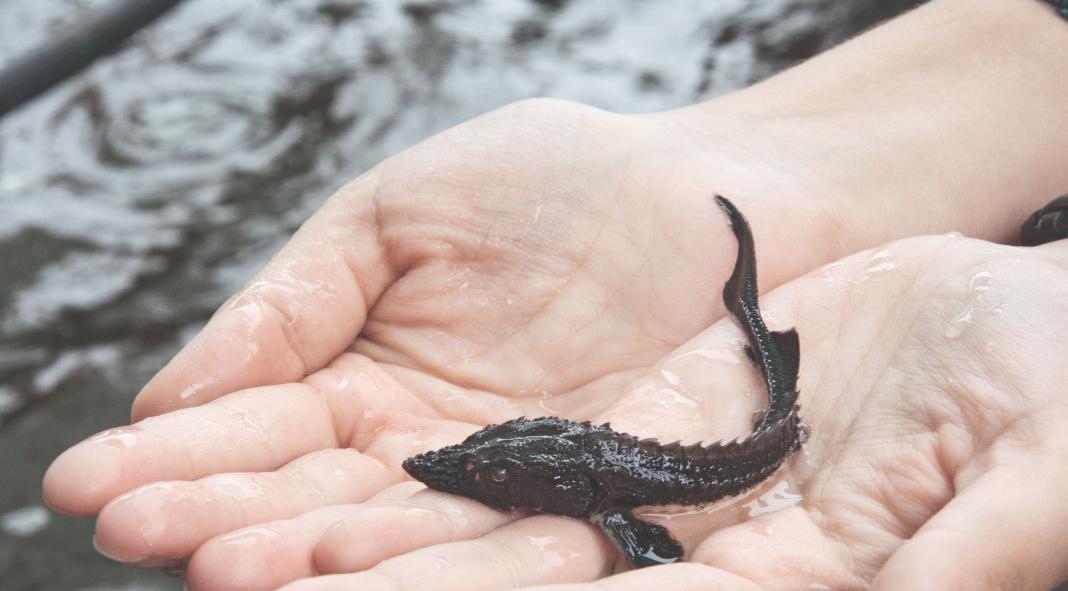
Transneft annually carries out environmental measures for artificial reproduction of aquatic biological resources.
The programme helps maintain the ecosystem balance in the areas where oil trunk pipelines run.
Use of Aquaculture for Environmental Monitoring of Marine Water Areas near Transneft Facilities
In order to comprehensively assess the impact of its offshore operations, the Company conducts a set of additional bio-monitoring activities using biological test objects. The condition of test objects reflects the cumulative impact of environmental factors, as they respond to different types of environmental degradation and are able to detect some types of aquatic degradation, which hydro-chemical and other methods do not show.
Environmental monitoring with the help of aquaculture organisms allows effective monitoring of the aquatic environment and capturing the possible impacts of volley or chronic pollution with oil or petroleum products.
The use of biological methods in assessing the quality of water areas ensures effective environment quality management and the rational exploitation of aquatic and biological resources.
Biomonitoring is organised in Kozmino Bay water area (the Sea of Japan), where the objects of Transneft Kozmino Port are deployed, and in the waters of the Bjerkesund Strait (the Gulf of Finland). The Company is organising biomonitoring and creating a similar mariculture test farm in Tsemes Bay of the Black Sea near the operating facilities of Chernomortransneft and Novorossiysk Commercial Sea Port.
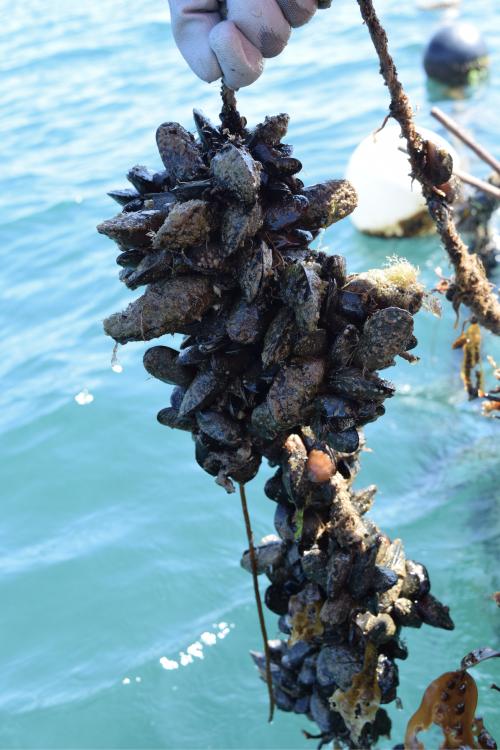
According to the results of a comprehensive monitoring of the ecological status of Japanese scallops, Pacific mussels, Laminaria and trepangs, it was found that Transneft Kozmino Port’s operations do not have any negative anthropogenic impact on the adjacent water area.
Transneft Kozmino Port annually releases 10,000 Japanese scallops in accordance with the approved Plan for Artificial Reproduction of Aquatic Biological Resources in Primorye Territory’s Water Bodies for Commercial Fishing in order to increase the biological diversity of the Nakhodka Bay of the Sea of Japan.
The test area helps to maintain the diversity of species in the Bay and to reproduce valuable animal species by creating favourable conditions for life and spawning, as well as to maintain the spawning population of valuable game species.
A special aquaculture test farm stocked with rainbow trout, Baltic whitefish, and river zebra mussel has been installed in the Björkösund Strait of the Gulf of Finland to keep selected aquaculture species.
According to monitoring results, no negative human impact by Transneft Primorsk Port on the water area of the Björkösund Strait in the Gulf of Finland was found.
In 2021, an aquaculture plantation for stocking it with previously selected aquaculture species - mussels and oysters - was set up in the Tsemes Bay of the Black Sea in the area where the operating facilities of Chernomortransneft and NCSP are located.
Environmental monitoring with the help of aquaculture organisms allows effective monitoring of the aquatic environment and capturing the possible impacts of volley or chronic pollution with oil or petroleum products.
The use of biological methods in assessing the quality of water areas ensures effective environment quality management and the rational exploitation of aquatic and biological resources.
Biomonitoring is organised in Kozmino Bay water area (the Sea of Japan), where the objects of Transneft Kozmino Port are deployed, and in the waters of the Bjerkesund Strait (the Gulf of Finland). The Company is organising biomonitoring and creating a similar mariculture test farm in Tsemes Bay of the Black Sea near the operating facilities of Chernomortransneft and Novorossiysk Commercial Sea Port.
According to the results of a comprehensive monitoring of the ecological status of Japanese scallops, Pacific mussels, Laminaria and trepangs, it was found that Transneft Kozmino Port’s operations do not have any negative anthropogenic impact on the adjacent water area.
Transneft Kozmino Port annually releases 10,000 Japanese scallops in accordance with the approved Plan for Artificial Reproduction of Aquatic Biological Resources in Primorye Territory’s Water Bodies for Commercial Fishing in order to increase the biological diversity of the Nakhodka Bay of the Sea of Japan.
The test area helps to maintain the diversity of species in the Bay and to reproduce valuable animal species by creating favourable conditions for life and spawning, as well as to maintain the spawning population of valuable game species.
A special aquaculture test farm stocked with rainbow trout, Baltic whitefish, and river zebra mussel has been installed in the Björkösund Strait of the Gulf of Finland to keep selected aquaculture species.
According to monitoring results, no negative human impact by Transneft Primorsk Port on the water area of the Björkösund Strait in the Gulf of Finland was found.
In 2021, an aquaculture plantation for stocking it with previously selected aquaculture species - mussels and oysters - was set up in the Tsemes Bay of the Black Sea in the area where the operating facilities of Chernomortransneft and NCSP are located.
Support of the European Bison Population Restoration Programme in Vladimir and Ryazan Regions
Since 2014, Transneft has been helping restore the bison population in Vladimir Region by providing financial support to Meshchera National Park’s programme.
Meshchera National Park manages four protected areas of federal significance: Meshchera and Meshchersky National Parks in Vladimir and Ryazan Regions respectively, as well as Murom and Klyazma Wildlife Reserves. Oil and petroleum products trunk pipelines run through the territory of all the regional protected areas (PAs).
The support of environmental projects allows to mitigate the impact of hazardous operating facilities on the PAs’ ecosystems, as well as contributes to the creation of partnerships with the national park administration.
Thanks to the financial assistance, a stable population of bison was formed and their number in Murom Reserve increased from 47 bisons in 2014 to 101, which is the maximum number of animals within the available habitat.
A project to relocate juveniles to the Meshchera national park (Vladimir Region) and the Mordovsky Nature Reserve (Republic of Mordovia), which are provided with adequate food supply and proper protection, was launched using funds allocated by Transneft.
In 2021, charitable assistance was provided for the Meshchera national park with an eye on restoring the bison population, rebuilding, and outfitting of visitor centres in the town of Gus-Khrustalny and in the village of Savinskaya for a full-fledged operation of an open grazing system, along with creating comfortable conditions for visitors and tourists, for animal feeding, and for the publication of the Rebirth of Russian Bison.
Meshchera National Park manages four protected areas of federal significance: Meshchera and Meshchersky National Parks in Vladimir and Ryazan Regions respectively, as well as Murom and Klyazma Wildlife Reserves. Oil and petroleum products trunk pipelines run through the territory of all the regional protected areas (PAs).
The support of environmental projects allows to mitigate the impact of hazardous operating facilities on the PAs’ ecosystems, as well as contributes to the creation of partnerships with the national park administration.
Thanks to the financial assistance, a stable population of bison was formed and their number in Murom Reserve increased from 47 bisons in 2014 to 101, which is the maximum number of animals within the available habitat.
A project to relocate juveniles to the Meshchera national park (Vladimir Region) and the Mordovsky Nature Reserve (Republic of Mordovia), which are provided with adequate food supply and proper protection, was launched using funds allocated by Transneft.
In 2021, charitable assistance was provided for the Meshchera national park with an eye on restoring the bison population, rebuilding, and outfitting of visitor centres in the town of Gus-Khrustalny and in the village of Savinskaya for a full-fledged operation of an open grazing system, along with creating comfortable conditions for visitors and tourists, for animal feeding, and for the publication of the Rebirth of Russian Bison.
Reforestation, Afforestation, and Coast&Banks Clean Up Activities
Transneft plants trees and shrubs to preserve flora species. Waste was removed from water bodies and their water protection zones to preserve the water bodies’ ecosystems and improve the sanitary and epidemiological situation in the territories.
Measures to prevent and reduce the risk of death of birds in case of their contact with current-carrying wires in the sections of wire attachment to ETL supports
As birds use power line pylons to rest and track down prey, they are exposed to risk of death and can also cause technological disruptions in the power equipment’s operation.
A set of works was implemented to improve the environmental safety of the Company’s power grid facilities; as part of the project, route electric power transmission lines are equipped with bird protection devices.
Carrying out these works will allow to minimise the risk for fauna, as well as to preserve the flora by reducing the required clear-cut area.
In addition, Transneft takes measures to assist the development of zoological parks, special protected areas, and natural monuments, landscaped public gardens and park zones, promoting environmental culture and ecotourism.
In order to improve nesting conditions, restore destroyed nesting areas and increase the headcount of rare bird species, 87 artificial nesting spots were installed in Nizhny Novgorod Region. The monitoring recorded nesting spots of the Ural owl, as well as the endangered boreal owl and osprey. Equipment for remote monitoring of osprey nesting in Lyskovo District of Nizhny Novgorod Region has been installed. An osprey chick hatched in 2021 on an artificial nesting platform has been fitted with equipment to monitor its migrations.
A set of works was implemented to improve the environmental safety of the Company’s power grid facilities; as part of the project, route electric power transmission lines are equipped with bird protection devices.
Carrying out these works will allow to minimise the risk for fauna, as well as to preserve the flora by reducing the required clear-cut area.
In addition, Transneft takes measures to assist the development of zoological parks, special protected areas, and natural monuments, landscaped public gardens and park zones, promoting environmental culture and ecotourism.
In order to improve nesting conditions, restore destroyed nesting areas and increase the headcount of rare bird species, 87 artificial nesting spots were installed in Nizhny Novgorod Region. The monitoring recorded nesting spots of the Ural owl, as well as the endangered boreal owl and osprey. Equipment for remote monitoring of osprey nesting in Lyskovo District of Nizhny Novgorod Region has been installed. An osprey chick hatched in 2021 on an artificial nesting platform has been fitted with equipment to monitor its migrations.