



Transneft recognises the climate change risks. We are also assessing the impact of climate risks on the Company's activities. The key measures to combat climate change processes relate to improving energy efficiency and reducing greenhouse gas emissions.
Transneft acknowledges the importance of systematic monitoring, measurement, and control of trunk pipeline facilities’ parameters in combination with physical and geographical conditions, climatic and geological processes in the environment, with the subsequent calculation of performance indicators and operational safety. For these purposes the Company developed compensating measures and introduced a monitoring system for trunk pipeline facilities located in the permafrost areas.
Transneft acknowledges the importance of systematic monitoring, measurement, and control of trunk pipeline facilities’ parameters in combination with physical and geographical conditions, climatic and geological processes in the environment, with the subsequent calculation of performance indicators and operational safety. For these purposes the Company developed compensating measures and introduced a monitoring system for trunk pipeline facilities located in the permafrost areas.
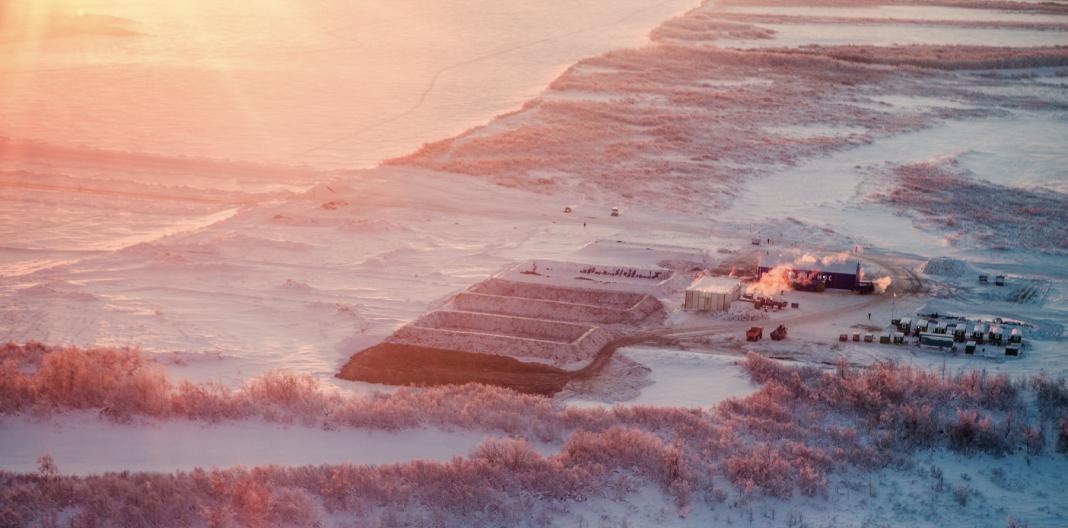
The vast majority of Transneft's assets are outside the continuous permafrost zones. Yet 13 facilities of Transneft Group are located in the Arctic zone of the Russian Federation.
For the purpose of systematic monitoring, measurement, and control of trunk pipeline facilities’ parameters in combination with physical and geographical conditions, climatic and geological processes in the environment, with the subsequent calculation of performance indicators and operational safety, proposals for compensating measures have been developed and a monitoring system for trunk pipeline facilities located in the permafrost soil areas has been introduced.
Monitoring is carried out based on the results of field surveys, air and surface laser scanning, in-line inspection, and includes monitoring of foundations, the state of permafrost soils, geological processes, geometry, and stress-strain state of pipelines and its fittings.
To enhance operational reliability in permafrost areas, the facilities are equipped with thermal stabilisers, temperature and position monitoring devices, and a set of automatic emergency response systems.
As per the requirements of Russian Government Resolution No. 340 dated 15 May 2010, Transneft has approved and is implementing the energy saving and energy efficiency enhancement programme.
For the purpose of systematic monitoring, measurement, and control of trunk pipeline facilities’ parameters in combination with physical and geographical conditions, climatic and geological processes in the environment, with the subsequent calculation of performance indicators and operational safety, proposals for compensating measures have been developed and a monitoring system for trunk pipeline facilities located in the permafrost soil areas has been introduced.
Monitoring is carried out based on the results of field surveys, air and surface laser scanning, in-line inspection, and includes monitoring of foundations, the state of permafrost soils, geological processes, geometry, and stress-strain state of pipelines and its fittings.
To enhance operational reliability in permafrost areas, the facilities are equipped with thermal stabilisers, temperature and position monitoring devices, and a set of automatic emergency response systems.
As per the requirements of Russian Government Resolution No. 340 dated 15 May 2010, Transneft has approved and is implementing the energy saving and energy efficiency enhancement programme.
The energy saving programme specifies the key energy saving and higher energy efficiency indicators, such as the reduction of specific electricity consumption in oil and petroleum products transportation.
The reduction of specific consumption is achieved due to implementation of energy saving activities. The said activities target the specific consumption minimisation.
Transneft also keeps working on the use of renewables.
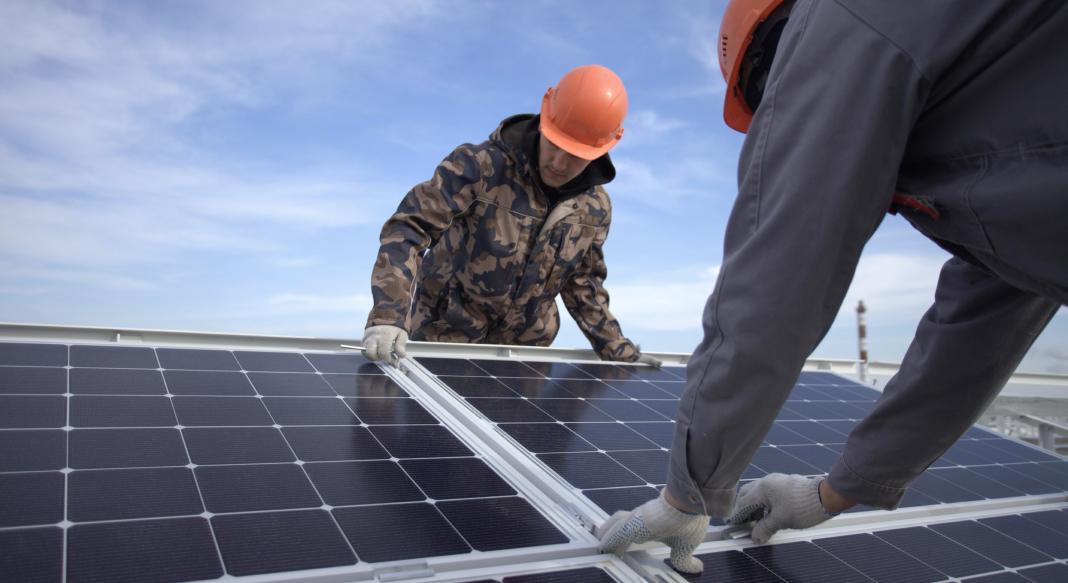
Photovoltaic power plants for electricity generation using renewable energy sources (solar energy) have been installed at three Transneft facilities. The energy generated by the said solar stations is used in the lighting systems of administrative and amenity buildings.
To cut energy consumption in oil and petroleum products transportation, as part of the approved Energy Saving and Efficiency Improvement Programme of Transneft, the following activities are implemented:
The reduction of specific consumption is achieved due to implementation of energy saving activities. The said activities target the specific consumption minimisation.
Transneft also keeps working on the use of renewables.
Photovoltaic power plants for electricity generation using renewable energy sources (solar energy) have been installed at three Transneft facilities. The energy generated by the said solar stations is used in the lighting systems of administrative and amenity buildings.
To cut energy consumption in oil and petroleum products transportation, as part of the approved Energy Saving and Efficiency Improvement Programme of Transneft, the following activities are implemented:
- optimisation of the oil and petroleum products transportation process;
- energy conservation in electrical equipment;
- energy conservation during heat generation;
- energy conservation in heat supply systems.
Transneft has approved and is implementing the Programme of Converting Transportation and Special-Purpose Vehicles to the Use of Natural Gas as Motor Fuel.
The potential of using electric vehicles is currently limited due to the lack of truck models that could meet the Company’s needs, underdeveloped infrastructure, and low winter temperatures in the main regions of the Company’s operation.
Transneft is conducting research and development work to adapt approved methodologies for calculating greenhouse gas emissions and to develop recommendations for the application of greenhouse gas emission reduction/neutralisation techniques, which will include additional consideration of risks and opportunities associated with climate change processes. A long-term strategy for managing greenhouse gas emissions is underway.
The main volume of greenhouse gas emitted from Transneft’s operating facilities comes from stationary fuel combustion in boiler houses to generate thermal energy for own needs. Emissions of other greenhouse gases, such as methane (CH4) and sulfur hexafluoride (SF6), account for less than 5% of total greenhouse gas emissions in CO2 equivalent.
The boiler house equipment used for this purpose enjoys the most advanced technical solutions available, ensuring minimum fuel consumption along with a high efficiency, thus achieving the lowest CO2 emissions possible.
The reduction of greenhouse gas emissions is achieved through:
The potential of using electric vehicles is currently limited due to the lack of truck models that could meet the Company’s needs, underdeveloped infrastructure, and low winter temperatures in the main regions of the Company’s operation.
Transneft is conducting research and development work to adapt approved methodologies for calculating greenhouse gas emissions and to develop recommendations for the application of greenhouse gas emission reduction/neutralisation techniques, which will include additional consideration of risks and opportunities associated with climate change processes. A long-term strategy for managing greenhouse gas emissions is underway.
The main volume of greenhouse gas emitted from Transneft’s operating facilities comes from stationary fuel combustion in boiler houses to generate thermal energy for own needs. Emissions of other greenhouse gases, such as methane (CH4) and sulfur hexafluoride (SF6), account for less than 5% of total greenhouse gas emissions in CO2 equivalent.
The boiler house equipment used for this purpose enjoys the most advanced technical solutions available, ensuring minimum fuel consumption along with a high efficiency, thus achieving the lowest CO2 emissions possible.
The reduction of greenhouse gas emissions is achieved through:
- conversion of boiler houses from oil to gas fuel;
- technical upgrading of boiler houses, including installation of modern energy-efficient boilers;
- the use of improved burner units with controllers for combustion processes and flue gas composition;
- implementation of a comprehensive energy saving programme.

The above-listed measures and the use of energy efficient technologies had resulted in the reduction of greenhouse gas emissions by 33% in 2021 against 2016.
The main focus of further efforts to reduce greenhouse gas emissions is the continued implementation of an energy conservation programme.
In December 2021, Transneft was ranked 2nd (out of 37 companies) in the minimum carbon footprint of Russia’s biggest companies rating, compiled by the AK&M rating agency. Specific greenhouse gas emissions amounted to 0.36 tonnes per RUB 1 million of revenue.
The main focus of further efforts to reduce greenhouse gas emissions is the continued implementation of an energy conservation programme.
In December 2021, Transneft was ranked 2nd (out of 37 companies) in the minimum carbon footprint of Russia’s biggest companies rating, compiled by the AK&M rating agency. Specific greenhouse gas emissions amounted to 0.36 tonnes per RUB 1 million of revenue.